Cuisine Exploration
Dedicate each month to exploring dishes and ingredients from a specific culinary tradition. Mediterranean in January, Southeast Asian in February, and continue the pattern.
⚠️ Educational Content Only: This website provides general information about food variety and meal planning. Not medical advice. Consult qualified healthcare professionals for personalized dietary guidance. Learn More
Educational information about different approaches to meal variety and food rotation. These are learning resources to help you understand meal planning concepts. This is educational content only - not personalized dietary advice or medical recommendations.
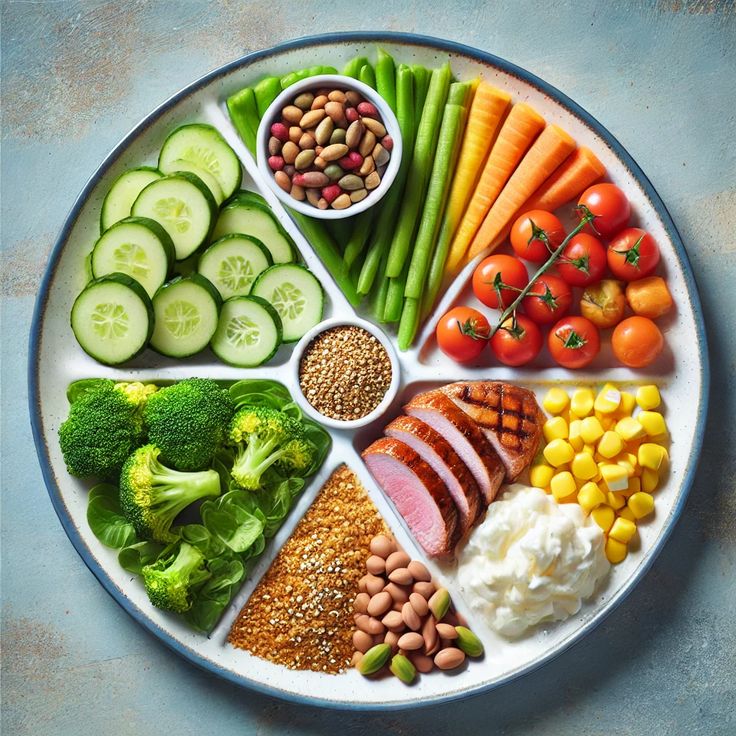
A longer-term approach that introduces new ingredients or cuisines each month, allowing deeper exploration without overwhelming weekly routines.
Dedicate each month to exploring dishes and ingredients from a specific culinary tradition. Mediterranean in January, Southeast Asian in February, and continue the pattern.
Build monthly themes around what produce is naturally abundant. Spring greens in April, summer berries in July, root vegetables in October.
Choose one unfamiliar ingredient monthly and discover multiple preparation methods. Lentils one month, eggplant the next, tempeh after that.
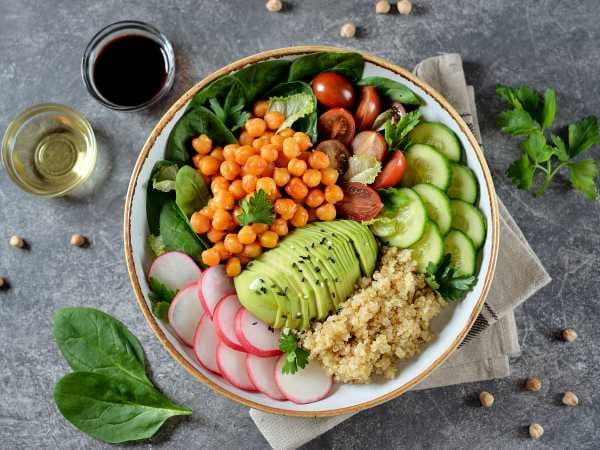
Practical advice for putting these variety frameworks into practice without disrupting your existing routines.
Do not attempt to vary everything simultaneously. Choose proteins or vegetables to rotate first, keeping other components familiar. Once comfortable, expand to additional categories. This gradual approach prevents decision fatigue.
Prepare multiple protein sources or grain types during one cooking session. Store them separately and mix throughout the week. This maintains variety while minimizing daily cooking effort.
Learn which ingredients can replace each other in recipes. Chickpeas work where cannellini beans appear. Quinoa substitutes for rice. This knowledge makes spontaneous variety easier when specific items are unavailable.
Keep a simple log of what you ate over two weeks. Patterns become obvious when written down. This awareness naturally guides you toward underutilized options sitting in your pantry.
These variety plans represent educational frameworks for learning about food diversity concepts. They are NOT prescriptive meal plans, medical advice, or personalized dietary recommendations designed to achieve specific health outcomes. Individual food needs differ significantly based on numerous personal factors including age, health status, activity level, allergies, medications, and medical conditions. This information should complement, not replace, guidance from qualified healthcare professionals (registered dietitians, doctors, nutritionists) when addressing specific dietary requirements or health concerns. Results may vary. No guarantees of specific outcomes are made. This service operates from Auckland, New Zealand.
Discover specific food recommendations organized by category, preparation method, and versatility.
View Smart PicksReach out with questions about implementing variety strategies in your specific situation.
Contact Us